Business & Innovation · news
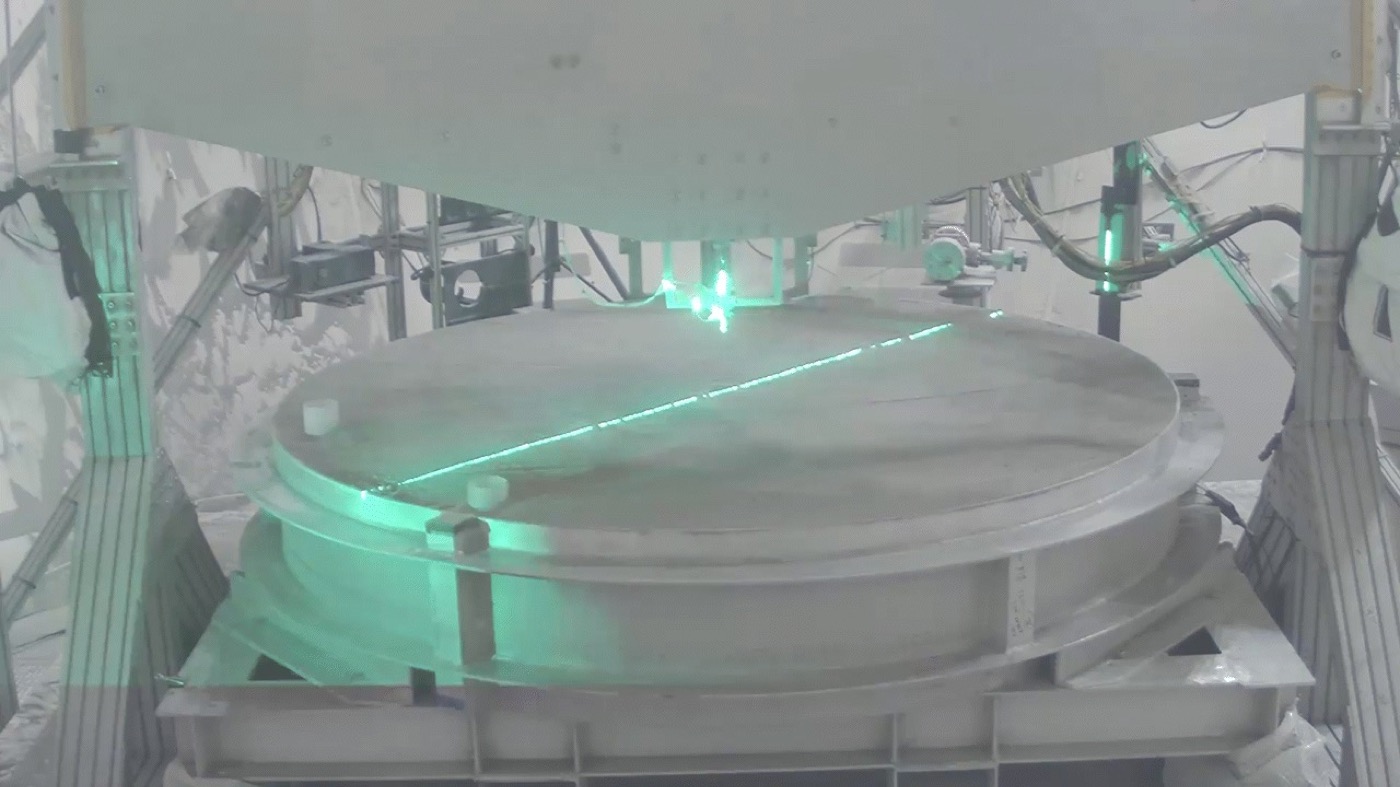
In Hampton, a closer look at the dust a Moon landing leaves behind
NASA Langley is testing how rocket plumes interact with simulated lunar ground—and what that means for landing hardware.
A team at NASA’s Langley Research Center in Hampton is studying a problem that starts at the moment a spacecraft reaches the Moon: what its engine exhaust does to the ground beneath it.
According to NASA’s August 26 account, researchers are running plume-surface tests inside a 60-foot vacuum chamber. Instruments track how simulated lunar material moves, including crater formation and the speed of particles thrown outward.
Why the tests matter
The agency says the results will help improve predictive models and inform spacecraft design. Material displaced by a landing can strike the lander or nearby equipment. The work connects Hampton’s research facilities with a practical challenge for future lunar missions.
NASA describes a campaign involving agency centers, universities and commercial participants. Its September 2 correction clarifies that the NASA Langley team operates the ethane plume simulation system; Purdue University built that system.
This account is based on NASA’s published research update. The tests are research activity, not evidence that a particular spacecraft has been certified or a mission outcome guaranteed.